✨ New Arrivals Just Dropped!Explore


ACANTHUS hungaricus
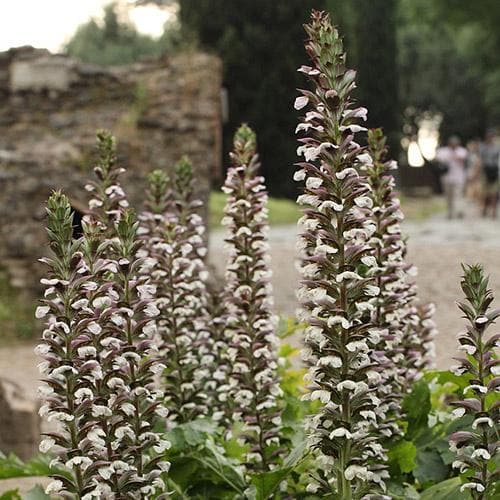
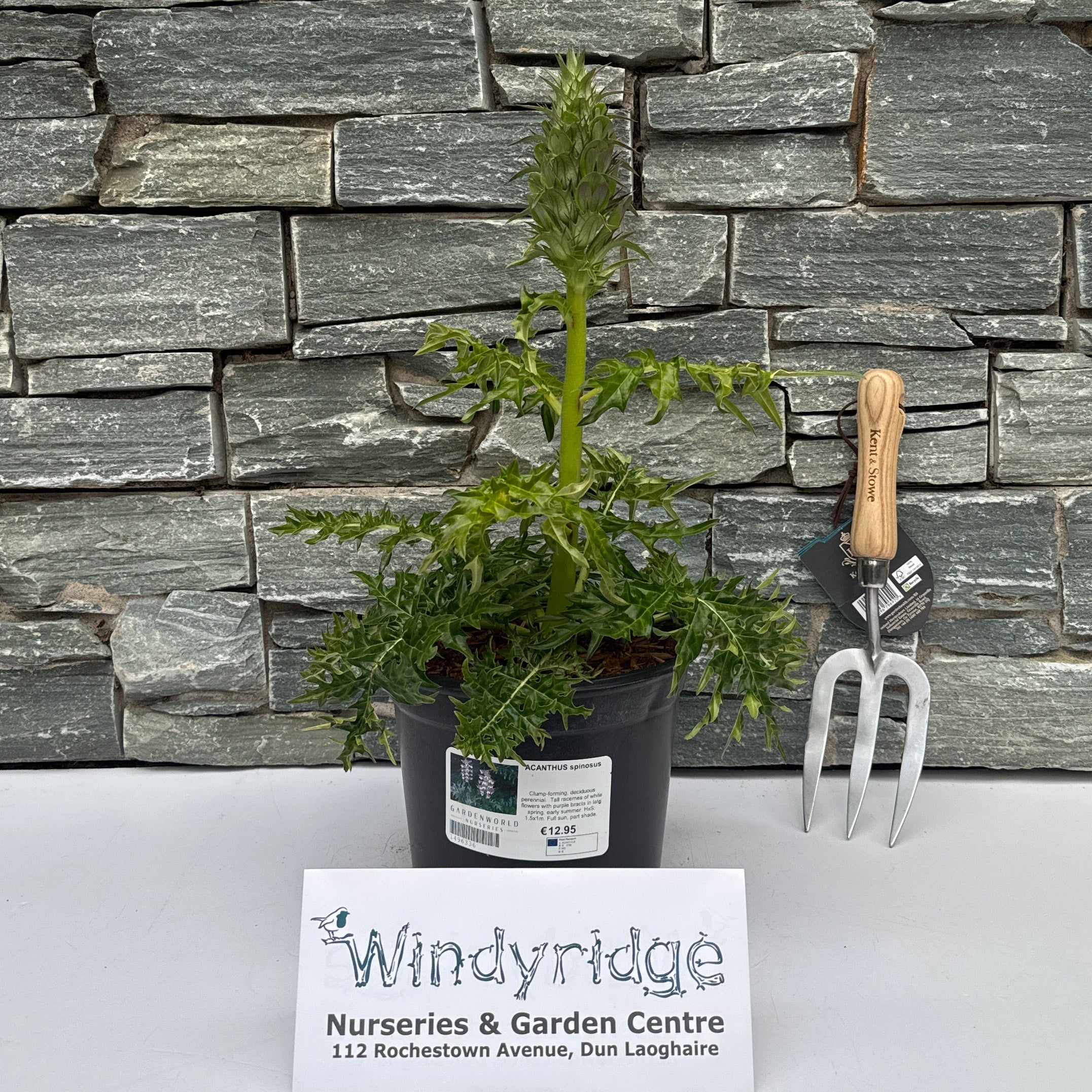
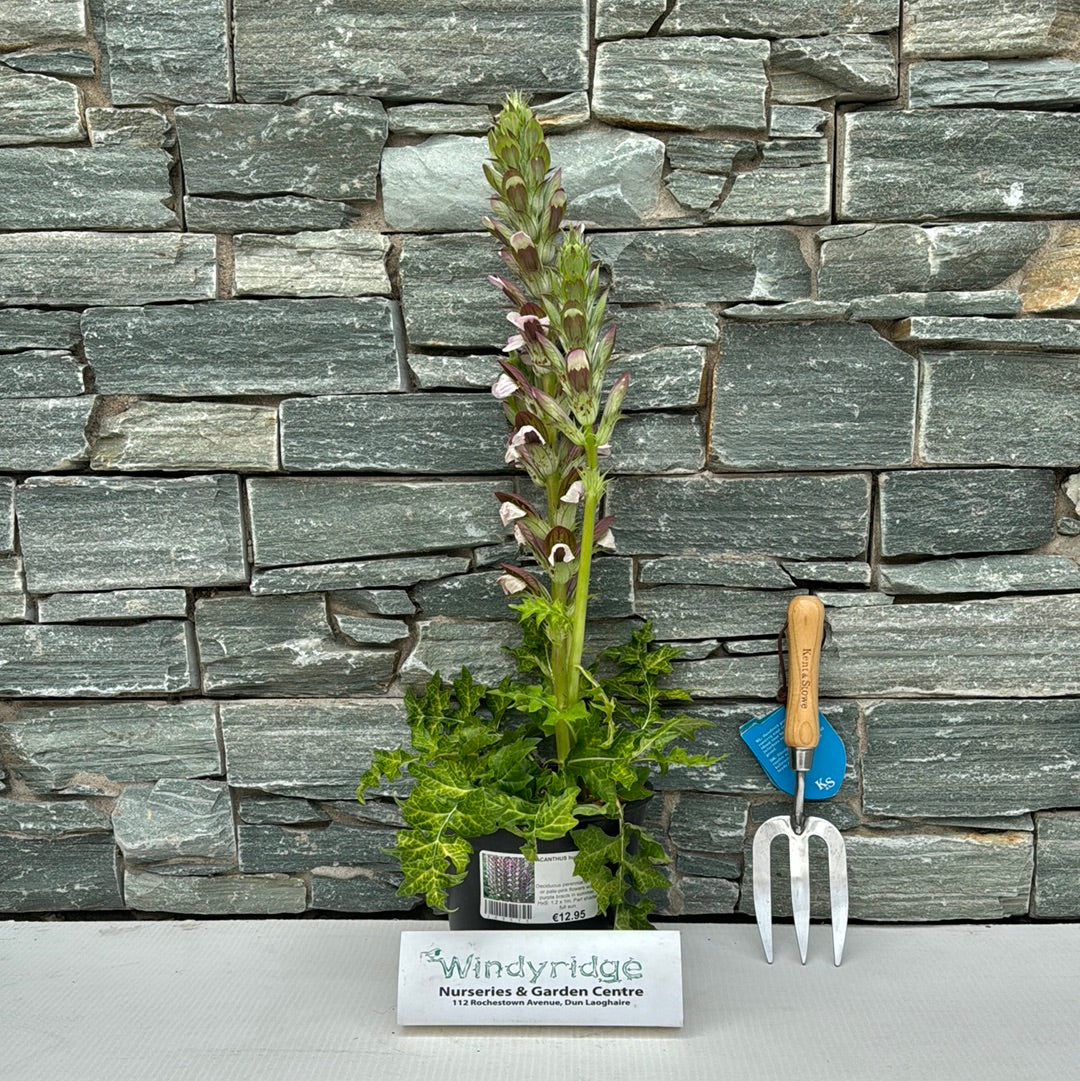
Acanthus hungaricus, also known as Hungarian Acanthus, is a hardy perennial plant known for its striking foliage and attractive flower spikes. It is well-suited for the Irish climate, making it a popular choice among gardeners in Ireland.
Height/Spread: Acanthus hungaricus typically grows to a height of 2-3 feet (60-90 centimeters) with a spread of 1-2 feet (30-60 centimeters), creating a compact and upright presence in Irish gardens.
Position: This variety of Acanthus thrives in full sun to partial shade, making it adaptable to different garden conditions in Ireland. It prefers a position that receives at least a few hours of direct sunlight each day but can tolerate some shade.
Soil: Acanthus hungaricus is adaptable to various soil types, including clay, loam, and sandy soils. However, it prefers well-draining soil that retains some moisture. It can tolerate both acidic and alkaline soil conditions, which is beneficial for Irish gardens with varying soil compositions.
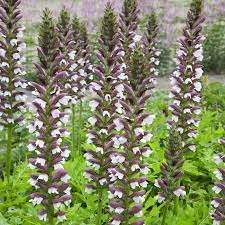
Flowering Season: Acanthus hungaricus produces tall, spiky flower stalks adorned with delicate lavender or pink flowers in summer. The flowering season typically spans from June to August, adding a vibrant touch to Irish gardens during the warmer months.
Uses: Acanthus hungaricus serves multiple purposes in Irish gardens. Its architectural foliage and impressive flower spikes make it a desirable addition to borders, cottage gardens, or mixed perennial beds. It can also be used as a focal point or accent plant due to its unique and eye-catching appearance. Furthermore, the dried flower spikes can be used in floral arrangements or crafts, adding an artistic touch to indoor decor. Overall, Acanthus hungaricus brings beauty and elegance to Irish gardens while being adaptable and low-maintenance.
Height/Spread: Acanthus hungaricus typically grows to a height of 2-3 feet (60-90 centimeters) with a spread of 1-2 feet (30-60 centimeters), creating a compact and upright presence in Irish gardens.
Position: This variety of Acanthus thrives in full sun to partial shade, making it adaptable to different garden conditions in Ireland. It prefers a position that receives at least a few hours of direct sunlight each day but can tolerate some shade.
Soil: Acanthus hungaricus is adaptable to various soil types, including clay, loam, and sandy soils. However, it prefers well-draining soil that retains some moisture. It can tolerate both acidic and alkaline soil conditions, which is beneficial for Irish gardens with varying soil compositions.
Flowering Season: Acanthus hungaricus produces tall, spiky flower stalks adorned with delicate lavender or pink flowers in summer. The flowering season typically spans from June to August, adding a vibrant touch to Irish gardens during the warmer months.
Uses: Acanthus hungaricus serves multiple purposes in Irish gardens. Its architectural foliage and impressive flower spikes make it a desirable addition to borders, cottage gardens, or mixed perennial beds. It can also be used as a focal point or accent plant due to its unique and eye-catching appearance. Furthermore, the dried flower spikes can be used in floral arrangements or crafts, adding an artistic touch to indoor decor. Overall, Acanthus hungaricus brings beauty and elegance to Irish gardens while being adaptable and low-maintenance.
$5.27
Original: $15.06
-65%ACANTHUS hungaricus—
$15.06
$5.27More Images
ACANTHUS hungaricus
Acanthus hungaricus, also known as Hungarian Acanthus, is a hardy perennial plant known for its striking foliage and attractive flower spikes. It is well-suited for the Irish climate, making it a popular choice among gardeners in Ireland.
Height/Spread: Acanthus hungaricus typically grows to a height of 2-3 feet (60-90 centimeters) with a spread of 1-2 feet (30-60 centimeters), creating a compact and upright presence in Irish gardens.
Position: This variety of Acanthus thrives in full sun to partial shade, making it adaptable to different garden conditions in Ireland. It prefers a position that receives at least a few hours of direct sunlight each day but can tolerate some shade.
Soil: Acanthus hungaricus is adaptable to various soil types, including clay, loam, and sandy soils. However, it prefers well-draining soil that retains some moisture. It can tolerate both acidic and alkaline soil conditions, which is beneficial for Irish gardens with varying soil compositions.
Flowering Season: Acanthus hungaricus produces tall, spiky flower stalks adorned with delicate lavender or pink flowers in summer. The flowering season typically spans from June to August, adding a vibrant touch to Irish gardens during the warmer months.
Uses: Acanthus hungaricus serves multiple purposes in Irish gardens. Its architectural foliage and impressive flower spikes make it a desirable addition to borders, cottage gardens, or mixed perennial beds. It can also be used as a focal point or accent plant due to its unique and eye-catching appearance. Furthermore, the dried flower spikes can be used in floral arrangements or crafts, adding an artistic touch to indoor decor. Overall, Acanthus hungaricus brings beauty and elegance to Irish gardens while being adaptable and low-maintenance.
Height/Spread: Acanthus hungaricus typically grows to a height of 2-3 feet (60-90 centimeters) with a spread of 1-2 feet (30-60 centimeters), creating a compact and upright presence in Irish gardens.
Position: This variety of Acanthus thrives in full sun to partial shade, making it adaptable to different garden conditions in Ireland. It prefers a position that receives at least a few hours of direct sunlight each day but can tolerate some shade.
Soil: Acanthus hungaricus is adaptable to various soil types, including clay, loam, and sandy soils. However, it prefers well-draining soil that retains some moisture. It can tolerate both acidic and alkaline soil conditions, which is beneficial for Irish gardens with varying soil compositions.
Flowering Season: Acanthus hungaricus produces tall, spiky flower stalks adorned with delicate lavender or pink flowers in summer. The flowering season typically spans from June to August, adding a vibrant touch to Irish gardens during the warmer months.
Uses: Acanthus hungaricus serves multiple purposes in Irish gardens. Its architectural foliage and impressive flower spikes make it a desirable addition to borders, cottage gardens, or mixed perennial beds. It can also be used as a focal point or accent plant due to its unique and eye-catching appearance. Furthermore, the dried flower spikes can be used in floral arrangements or crafts, adding an artistic touch to indoor decor. Overall, Acanthus hungaricus brings beauty and elegance to Irish gardens while being adaptable and low-maintenance.
Product Information
Product Information
Shipping & Returns
Shipping & Returns
Description
Acanthus hungaricus, also known as Hungarian Acanthus, is a hardy perennial plant known for its striking foliage and attractive flower spikes. It is well-suited for the Irish climate, making it a popular choice among gardeners in Ireland.
Height/Spread: Acanthus hungaricus typically grows to a height of 2-3 feet (60-90 centimeters) with a spread of 1-2 feet (30-60 centimeters), creating a compact and upright presence in Irish gardens.
Position: This variety of Acanthus thrives in full sun to partial shade, making it adaptable to different garden conditions in Ireland. It prefers a position that receives at least a few hours of direct sunlight each day but can tolerate some shade.
Soil: Acanthus hungaricus is adaptable to various soil types, including clay, loam, and sandy soils. However, it prefers well-draining soil that retains some moisture. It can tolerate both acidic and alkaline soil conditions, which is beneficial for Irish gardens with varying soil compositions.
Flowering Season: Acanthus hungaricus produces tall, spiky flower stalks adorned with delicate lavender or pink flowers in summer. The flowering season typically spans from June to August, adding a vibrant touch to Irish gardens during the warmer months.
Uses: Acanthus hungaricus serves multiple purposes in Irish gardens. Its architectural foliage and impressive flower spikes make it a desirable addition to borders, cottage gardens, or mixed perennial beds. It can also be used as a focal point or accent plant due to its unique and eye-catching appearance. Furthermore, the dried flower spikes can be used in floral arrangements or crafts, adding an artistic touch to indoor decor. Overall, Acanthus hungaricus brings beauty and elegance to Irish gardens while being adaptable and low-maintenance.
Height/Spread: Acanthus hungaricus typically grows to a height of 2-3 feet (60-90 centimeters) with a spread of 1-2 feet (30-60 centimeters), creating a compact and upright presence in Irish gardens.
Position: This variety of Acanthus thrives in full sun to partial shade, making it adaptable to different garden conditions in Ireland. It prefers a position that receives at least a few hours of direct sunlight each day but can tolerate some shade.
Soil: Acanthus hungaricus is adaptable to various soil types, including clay, loam, and sandy soils. However, it prefers well-draining soil that retains some moisture. It can tolerate both acidic and alkaline soil conditions, which is beneficial for Irish gardens with varying soil compositions.
Flowering Season: Acanthus hungaricus produces tall, spiky flower stalks adorned with delicate lavender or pink flowers in summer. The flowering season typically spans from June to August, adding a vibrant touch to Irish gardens during the warmer months.
Uses: Acanthus hungaricus serves multiple purposes in Irish gardens. Its architectural foliage and impressive flower spikes make it a desirable addition to borders, cottage gardens, or mixed perennial beds. It can also be used as a focal point or accent plant due to its unique and eye-catching appearance. Furthermore, the dried flower spikes can be used in floral arrangements or crafts, adding an artistic touch to indoor decor. Overall, Acanthus hungaricus brings beauty and elegance to Irish gardens while being adaptable and low-maintenance.